S

Photographs

& Their Stories

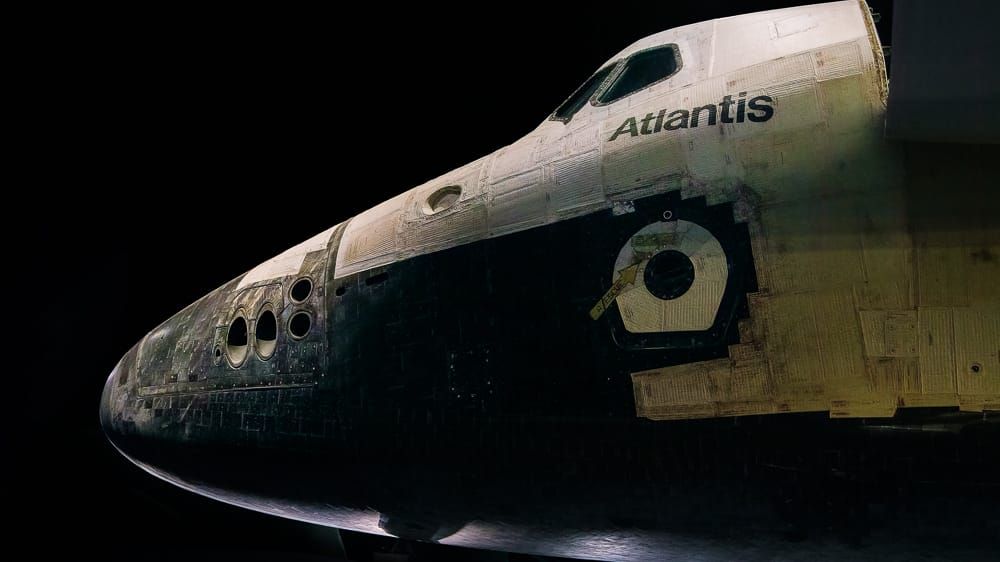
Space Shuttle Atlantis: Exploration Legacy

Nov 11 2024

Space Shuttle Atlantis: Exploration Legacy

As the fourth operational orbiter in NASA's Space Shuttle Program, Atlantis played a crucial role in over 26 years of service.

Atlantis was built in about half the time it took to assemble the first shuttle, Columbia, reflecting NASA's growing expertise in constructing reusable space vehicles. Named after the RV Atlantis, a pioneering oceanographic research vessel, the shuttle was first launched on October 3, 1985. Over its lifespan, Atlantis completed 33 missions, spending 307 days in space and orbiting Earth 4,848 times.

Key Missions and Achievements

Atlantis’s missions included launching groundbreaking spacecraft such as the Magellan probe to Venus and the Galileo probe to Jupiter. These missions expanded our understanding of the solar system and demonstrated the shuttle's capacity to support interplanetary exploration.

Atlantis was also a vital part of the Mir space station program, becoming the first shuttle to dock with the Russian Space Station Mir during the STS-71 mission in 1995. This milestone represented a significant moment in international cooperation in space exploration and helped pave the way for future collaborations, such as the International Space Station (ISS).

The shuttle was instrumental in building and maintaining the ISS, conducting multiple missions that carried essential components and equipment to the station.

Today, Atlantis is permanently displayed at the Kennedy Space Center Visitor Complex in Florida. Visitors can see it suspended as if in orbit, with its payload bay doors open, providing a dramatic and inspiring view of the shuttle's design and capability. The exhibit celebrates Atlantis’s rich history and serves as a reminder of NASA’s space shuttle era—a period marked by ambition, discovery, and collaboration.

Checkout NASA's official website for Atlantis for more info!

Black Canyon: Unique Striations

Nov 08 2024

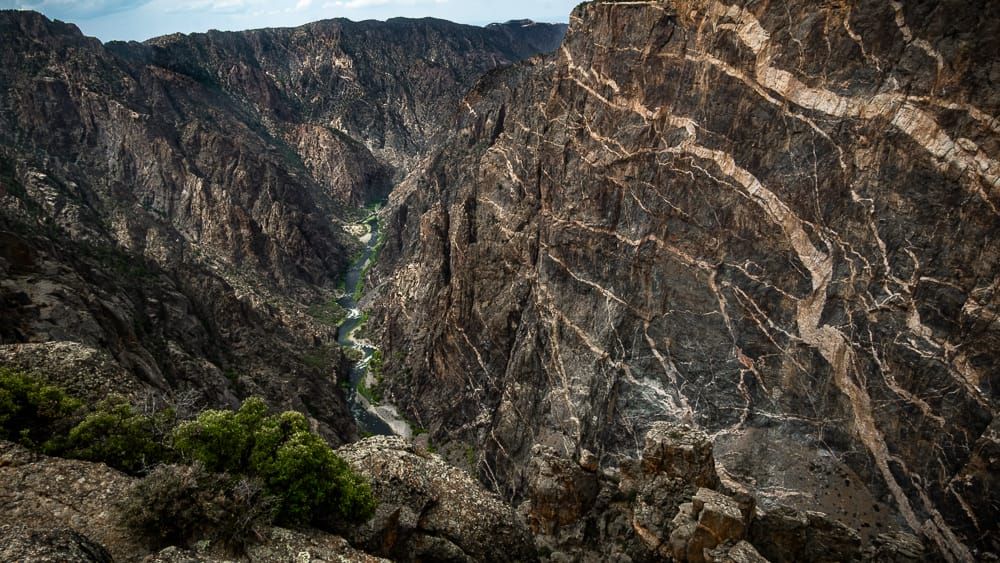
Black Canyon: Unique Striations

Located in Gunnison Colorado, it's a geological marvel that captivates visitors with its dramatic landscapes and ancient formations of vertical striations that run down its steep cliffs.

The striations are vertical bands of lighter-colored rock that slice through the darker granite and gneiss that make up much of the canyon walls. These striations are particularly visible along the Painted Wall, the tallest cliff in Colorado, standing at about 2,250 feet. The contrast between the dark base rock and the lighter striations creates a striking visual effect, reminiscent of brushstrokes on a massive canvas.

The striations of Black Canyon are unique due to their composition and formation process. The bands are composed primarily of pegmatite, a type of igneous rock that is lighter in color and coarser-grained than the surrounding dark granite and gneiss. Pegmatite forms when molten rock cools slowly deep underground, allowing larger crystals to develop. The resulting bands appear lighter and more reflective, standing out distinctly against the darker rock.

Formation

The formation of the striations is a story that dates back over 1.7 billion years. The base rock of Black Canyon is some of the oldest exposed rock in North America. Over eons, tectonic activity caused magma to push up into cracks within the pre-existing granite and gneiss. As the magma cooled and solidified, it formed the pegmatite intrusions that now streak down the walls of the canyon.

Over time, the region was uplifted by geological forces, exposing these ancient formations to the surface. The Gunnison River then took over, carving the canyon through relentless erosion over approximately two million years. The river's power combined with the harder, more erosion-resistant pegmatite left behind the dramatic striations, contrasting with the smoother erosion of the surrounding rock.

For more, checkout the official Black Canyon of the Gunnison National Park website.

Jaguar: Camo & Curiosity

Nov 08 2024

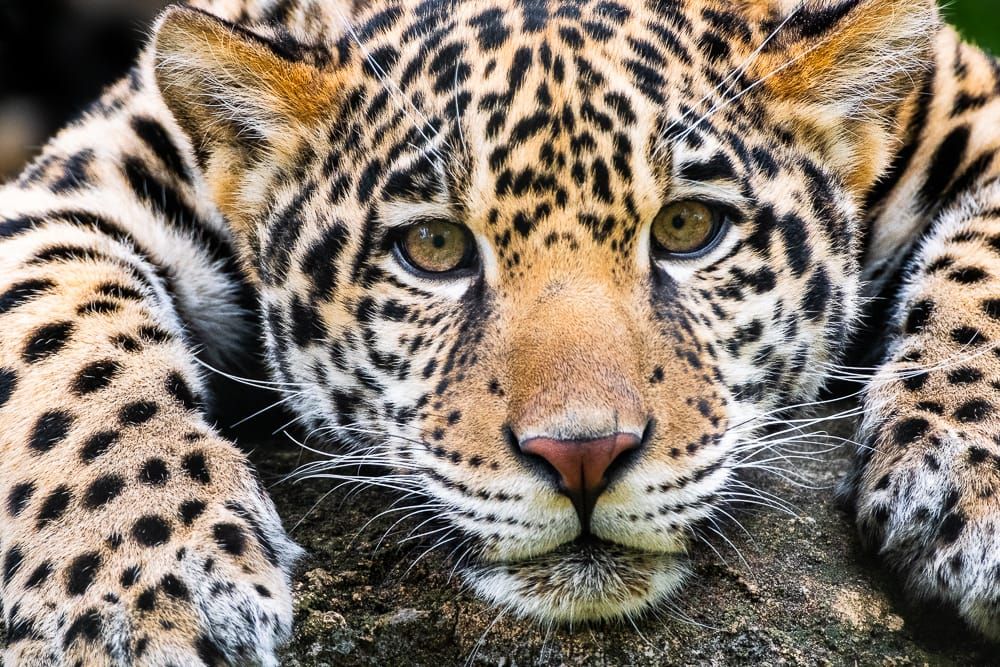
Jaguar: Camo & Curiosity

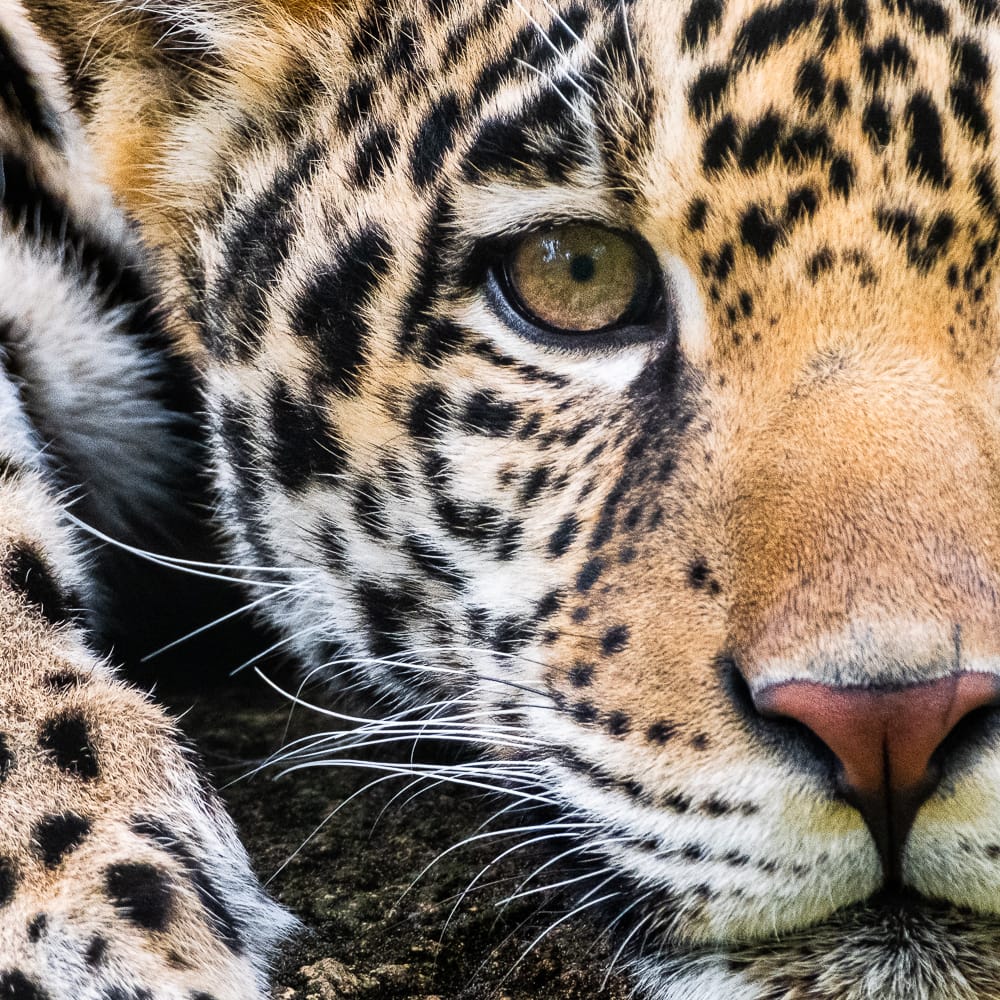
Their survival depends on staying hidden. From their first days, camouflage plays an essential role. The unique spotted pattern of their fur is an adaptation designed for blending into their dense, leafy habitat.

These spots, known as rosettes, mimic the dappled light filtering through the forest canopy, making cubs almost invisible to both prey and potential predators. Jaguar cubs are vulnerable when they are young. They rely on their mother for protection and sustenance, but she must leave them hidden while she hunts for food. During these times, the cubs’ safety depends heavily on their ability to remain unseen. Their rosetted coats allow them to merge seamlessly with their surroundings, reducing the risk of being detected by larger predators or rival jaguars

As the cubs grow, their natural curiosity compels them to explore their environment. This exploration is essential for learning the skills they’ll need to survive as adults, but it also exposes them to potential dangers. The combination of camouflage and stealth is key to helping them navigate this critical stage of life safely. They learn to move silently, practice stalking prey through play, and stay close to cover where their coats can work their magic.

The importance of their camouflage doesn’t fade as they mature. Adult jaguars rely on this trait for hunting success, using it to ambush prey with near-perfect surprise. For the cubs, mastering the art of staying hidden is one of the first lessons nature teaches them.

Checkout the World Wildlife Fund (WWF) or Panthera to help protect these amazing cats.

Peahen: Eyes for Genes

Nov 08 2024

Peahen: Eyes for Genes

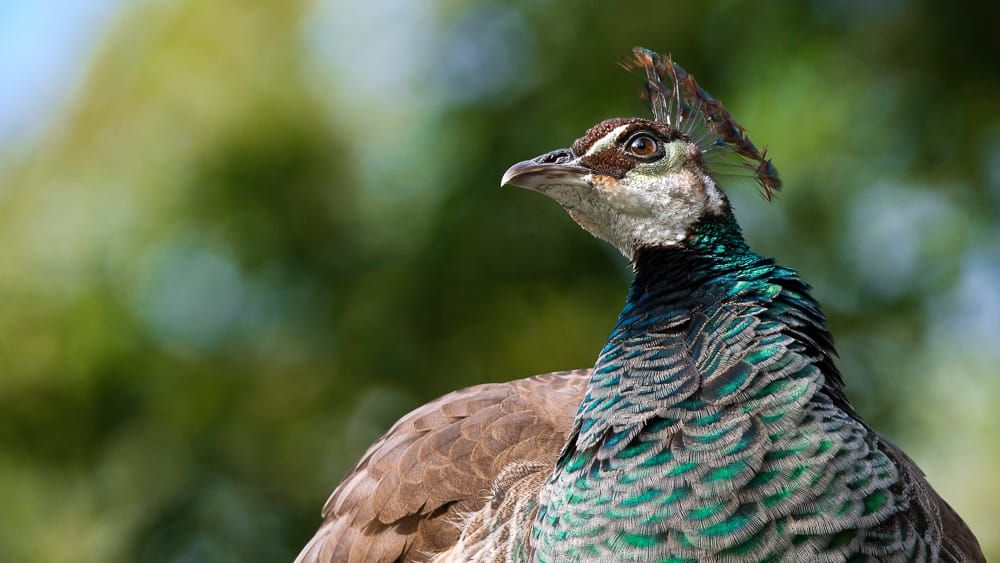
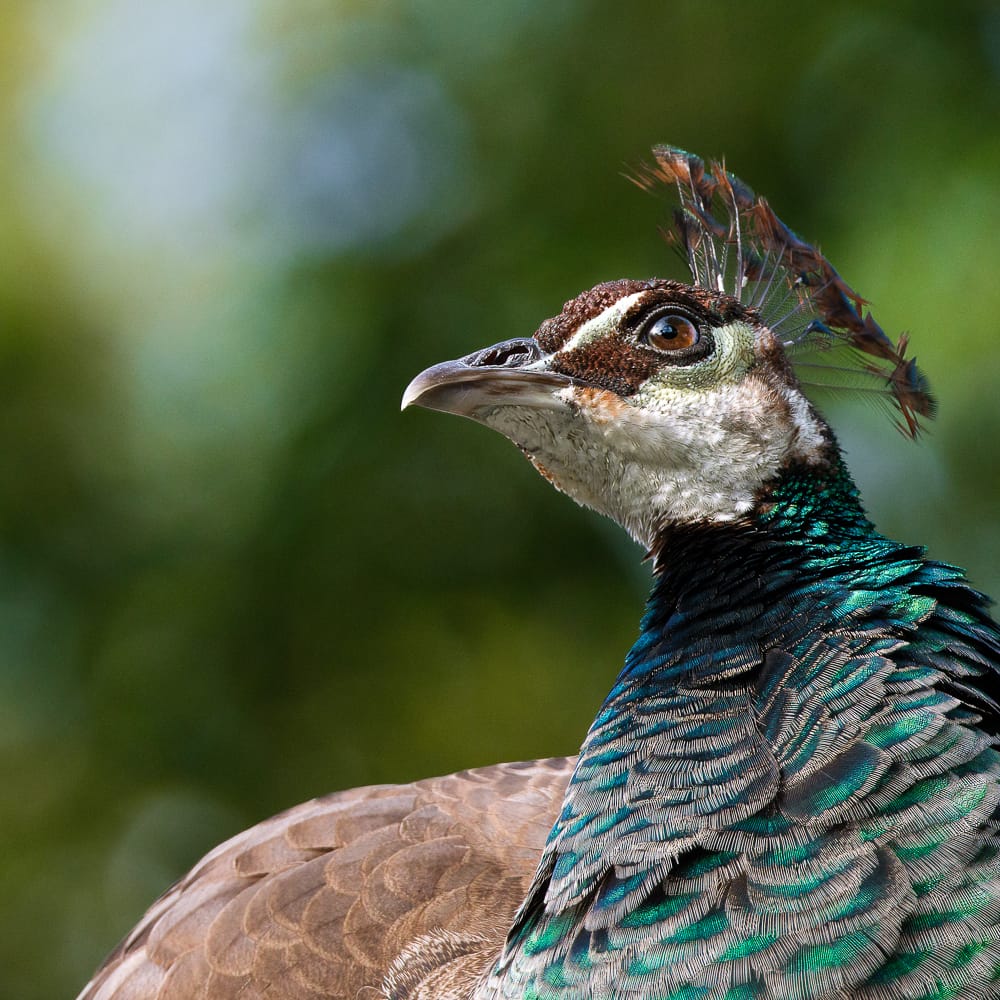
They can discern subtle differences in color, symmetry, and movement within a peacock’s tail feathers, helping them to select mates with the most vibrant and symmetrical displays, indicators of genetic fitness and health.

This selective process ensures the production of strong, viable offspring. Research indicates that peahens are sensitive to both visible and ultraviolet (UV) light, which is invisible to humans. The "eyespot" patterns on a peacock’s tail reflect UV light, providing additional information during mate evaluation. More reflective and symmetrical eyespots are more attractive to peahens.

A study found that peahens prefer males that perform vigorous tail-shaking displays, which enhance the perceived brilliance of their eyespots.

These behaviors serve as honest signals of a male’s fitness, as maintaining such displays requires significant energy and good health. The peahen’s visual perception ensures that only the fittest males pass on their genes, contributing to the health and diversity of future generations.

Beyond mating, peahens' sharp eyesight aids in spotting predators and navigating their environment. Their muted plumage helps them blend in, protecting themselves and their young.

Checkout World Wildlife Fund (WWF) and BirdLife International to help protect these amazing birds.

BMW 3.0 CSL

Nov 03 2023

BMW: Legacy Racing at Daytona

The BMW 3.0 CSL captured spitting flames in this Daytona Speedway shot is a legendary racing machine from the 1970s that helped establish BMW’s dominance in touring car racing.

Nicknamed the “Batmobile” for its later aerodynamic upgrades, the CSL, short for “Coupé Sport Leichtbau,” (Leichtbau meaning lightweight) became a motorsport icon with multiple wins in the European Touring Car Championship and a class victory at Le Mans.

Events like these, featuring vintage race cars, draw hundreds of thousands of fans annually across the U.S., with Daytona alone attracting over 100,000 attendees for historic and endurance racing weekends. Surveys show that over 70%of motorsports fans report a strong emotional connection to heritage vehicles, citing nostalgia, sound, and mechanical purity as major sources of joy and lifelong passion.

Alligator: Masters of Stealth

Oct 08 2023

Alligator: Masters of Stealth

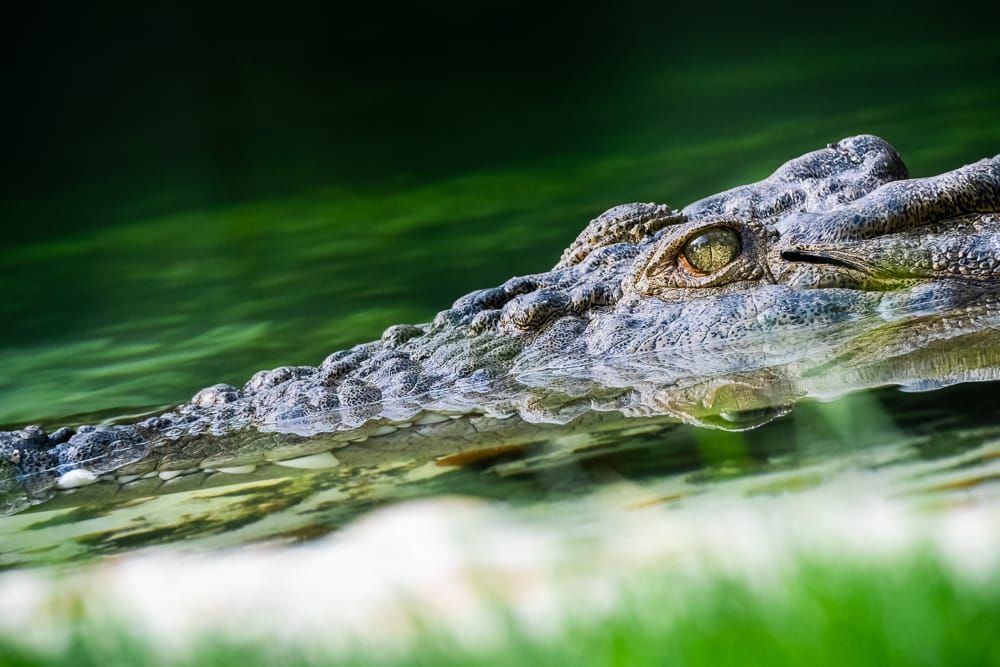
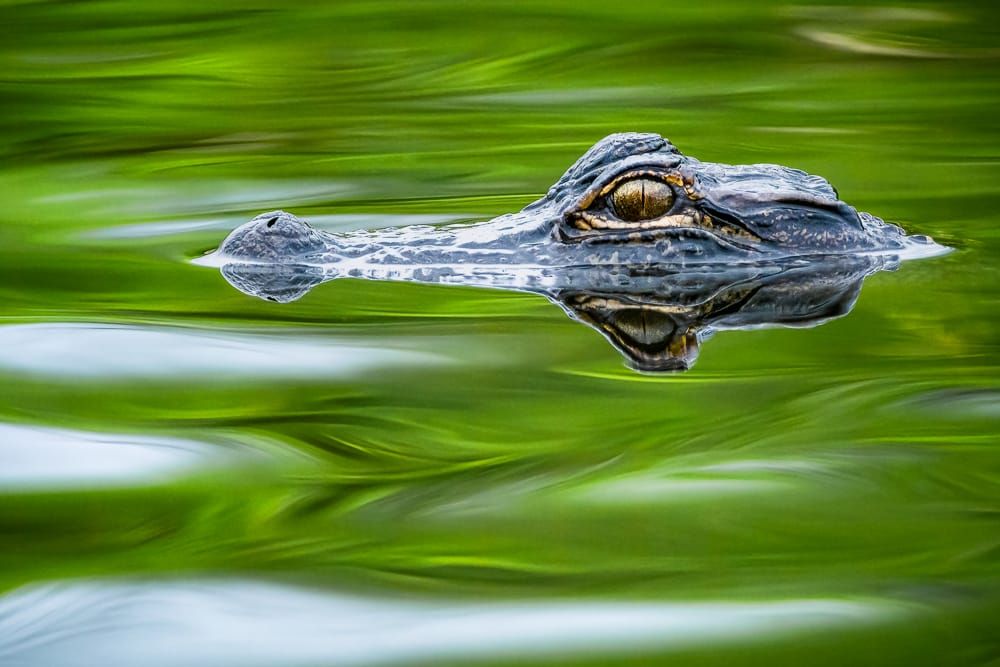
Their eye placement plays a critical role. With eyes set high on their heads, they can float nearly motionless at the water’s surface while watching everything around them and staying almost invisible.

Vision in Low Light

Their vertical pupils give them excellent night vision, making them especially effective ambush predators during dawn, dusk, or even under moonlight. In low light conditions the pupils open wide, capturing more light and giving the alligator a sharp visual advantage over unsuspecting prey.

Combined with the tapetum lucidum, a reflective layer in the back of their eyes that bounces light to improve vision, this feature creates the telltale eye shine often seen when a flashlight sweeps across a swamp at night.

Social Signals & Defense

Beyond hunting, their vision also plays a role in social interactions and territorial defense. Alligators use visual cues such as body posture, head positioning, and even the subtle lift of their eyes above the water to communicate dominance or readiness to strike.

These signals are important in avoiding unnecessary conflict with rivals while maintaining order in the waterways they inhabit. The ability to perceive fine movements above the surface also helps them detect predators or disturbances in their environment.

In combination with their sensory pits, small receptors along their jaws that detect vibrations in the water, alligators become highly effective at detecting both movement and sound. This integration of vision and other senses makes them apex predators, perfectly adapted to the wetlands of the southeastern United States.

Their eyes are not just tools for hunting but part of a broader survival system that has allowed alligators to thrive for millions of years, largely unchanged since the age of the dinosaurs.

Green Tree Python

May 21 2023

Green Tree Python: Forest Dweller

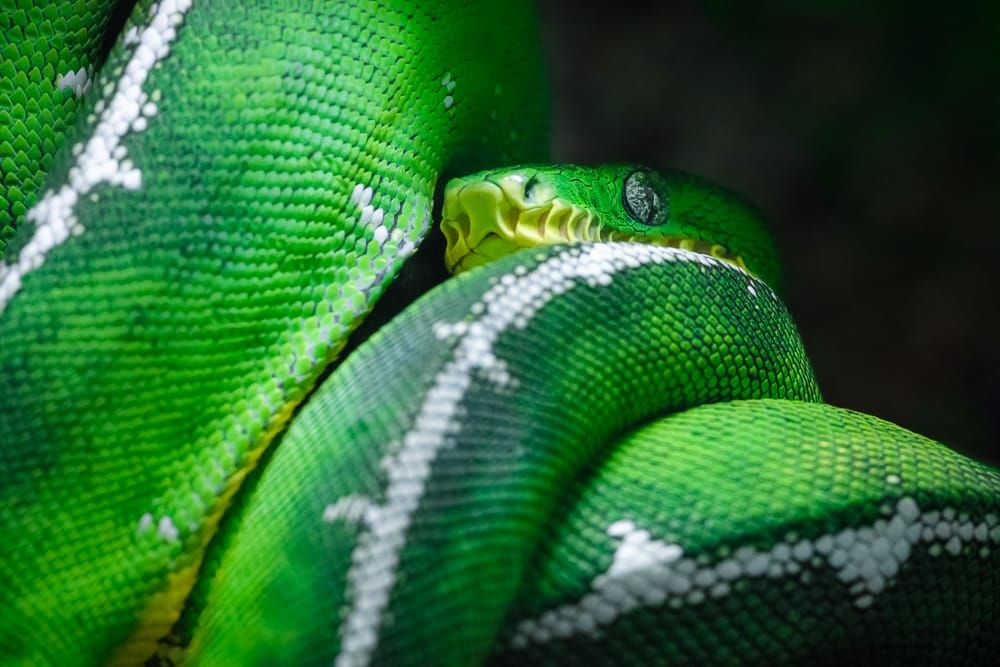
Spending most of their lives high in the forest canopy, they're perfectly adapted for an arboreal lifestyle. Their bodies shape and bright green coloration allow them to blend into the leaves and branches that surround it.

To rest and hunt, the snake coils itself over branches in a classic saddle position. This posture allows the snake to drape its body securely while keeping its muscles coiled and ready to strike. The position not only conserves energy but also makes the snake nearly invisible to anything moving below in the shaded understory.

From its perch, the green tree python waits patiently for birds, lizards, or small mammals to pass by. When prey comes within range, it launches a lightning-fast strike and sinks its sharp, backward-facing teeth into the target. These teeth are designed to hold prey firmly in place, preventing escape, while the snake quickly wraps its coils around the animal to constrict and suffocate it.

This ambush strategy is highly effective in the dense and shaded treetops where movement is limited and cover is plentiful. By combining camouflage, patience, and sudden speed, the green tree python thrives in its elevated environment. These adaptations make it one of the most specialized and successful predators in the rainforest canopy.

Alligator

May 06 2023

Alligator: Warmer Nest? More Baby Boys

The sex of a baby alligator is not determined by genetics but by the temperature of the nest during incubation. Unlike mammals, which rely on sex chromosomes, alligators depend on the environment to set this crucial outcome.

If the temperature of the nest stays around 90 to 93 degrees Fahrenheit, most of the hatchlings will be male. These warmer ranges encourage the development of testes rather than ovaries, resulting in a higher proportion of male offspring. For a mother alligator, where she chooses to build her nest can strongly influence the sex ratio of her clutch.

Cooler conditions, usually between 82 and 86 degrees Fahrenheit, produce mostly females. Even a slight shift of just a few degrees can alter the outcome, sometimes leading to mixed groups of both sexes. This narrow margin highlights how delicate and precise the incubation process must be for balanced populations.

This temperature-dependent sex determination is not unique to alligators but is found in many reptiles, including some turtles and crocodiles. The system makes populations sensitive to climate shifts. Rising global temperatures may tip the balance toward producing more males than females, which could disrupt reproduction and long-term stability. As climates continue to change, this vulnerability becomes an important concern for conservation efforts.

Explore More