S

#Mammal

Siamangs: The Loudest Ape You've Never Heard Of

Apr 01 2026

Siamangs: The Loudest Ape You've Never Heard Of

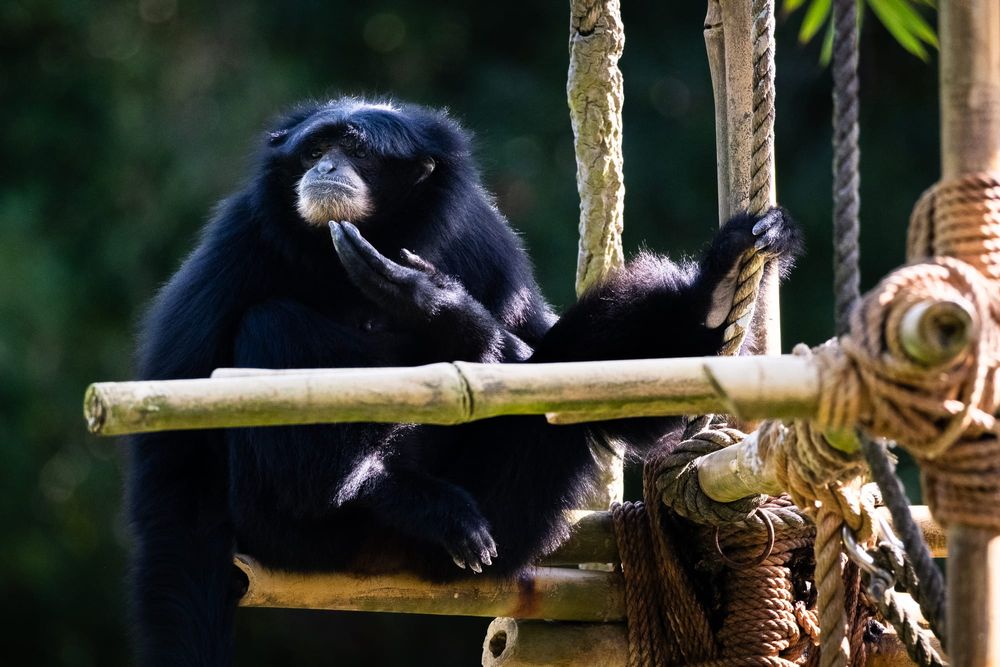
Their songs can reach up to 113 decibels, roughly equivalent to a chainsaw, and can be heard over a distance of more than 1.5 to 2 kilometers through dense rainforest canopy.

What makes this possible is their gular sac, a large throat pouch unique among gibbons. The throat sac can become as large as a grapefruit, and enables four distinct classes of vocalization: booms, barks, ululating screams, and bitonal screams.

SPONSORED
CTA Image

Product on Point is a leading product development studio offering innovative, tailored solutions. Become a sponsor to get featured here.

The boom is produced by singing into the sac with the mouth closed and carries the farthest through dense forest. The "wow" is produced with the mouth open and sits at a higher pitch. Females typically produce long barks, while males generally produce bitonal screams, where two tones are produced simultaneously, creating a layered, dissonant sound, though both sexes are capable of all four types. These songs begin as deep, bell-like tones that escalate into shattering yells and culminate in high-pitched "laughter."

Their songs build social infrastructure. Mated pairs perform calling bouts lasting 10 to 20 minutes, functioning as territorial advertisement and bond reinforcement. Newly formed pairs sing more frequently than established ones, as advertising a strong bond is advantageous in territorial defense. In the wild, singing occurs roughly once every 4 to 5 days, usually in the morning but never before dawn.

Learn more from our primary sources The Wisconsin National Primate Resource Center, and The New England Primate Conservatory.

Checkout and consider supporting Kalaweit, they work to protect these incredible animals through rescue and rehabilitation of those formerly kept as pets.
River Otter: Dry Despite Diving

Mar 11 2026

River Otter: Dry Despite Diving

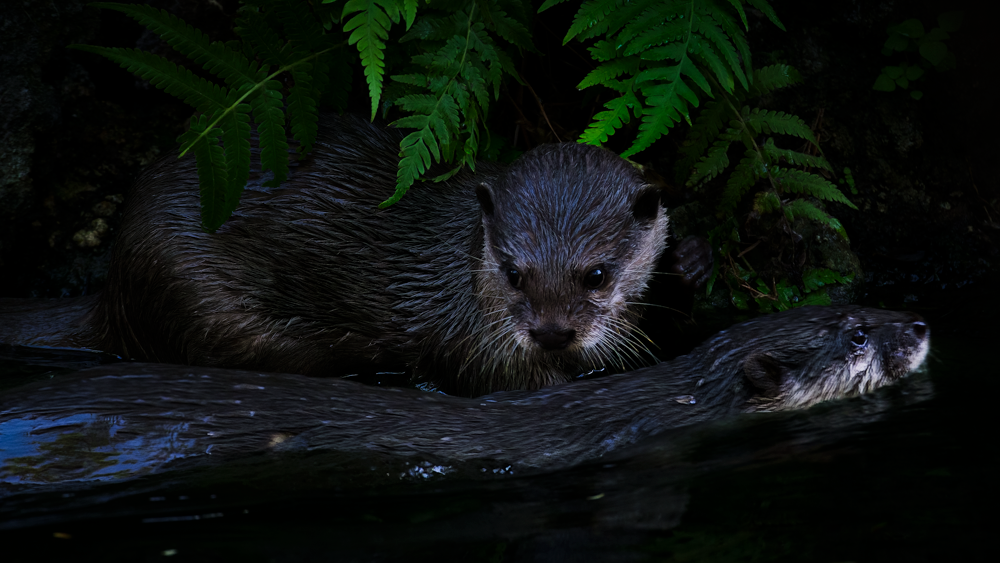
The river otter has no blubber, or fat layer. Its survival depends entirely on one of the most remarkable coats in the animal kingdom..

River otters have some of the densest fur of any freshwater mammal, with two distinct layers: a short, thick underfur that traps warm air against the skin, and longer guard hairs that shed water on the surface. The underfur is so tightly woven that water cannot penetrate it. The otter's skin stays completely dry even while the animal dives.

Sponsored by Product on Point, leading product development studio offering innovative, tailored solutions.

Each follicle produces a bundle of fine underfur hairs topped by coarser guard hairs. The underfur is so tightly woven that water cannot penetrate it. The otter's skin stays completely dry even while the animal dives.

Water only touches a thin layer of trapped air within the coat, and that air is what keeps them warm. Air escapes during a dive, so otters must constantly groom, rolling and rubbing to work air back into their fur. A sea otter can spend several hours a day on this. Neglect it and the coat loses its loft, the insulating air escapes, and the cold moves in.

Without a blubber reserve, otters must generate body heat through metabolism alone, burning through roughly 25 percent of their body weight in food each day. Pups are born with such fluffy natal coats that they literally cannot sink, bobbing on the surface while their mothers dive below to forage for food, such as sea urchins, mollusks, crustaceans, and fish, which they find on the sea floor.

Please consider helping to protect these animals by contributing to the River Otter Ecology Project.

Featured Hippopotamus: Life Beneath the Surface

Jan 24 2026

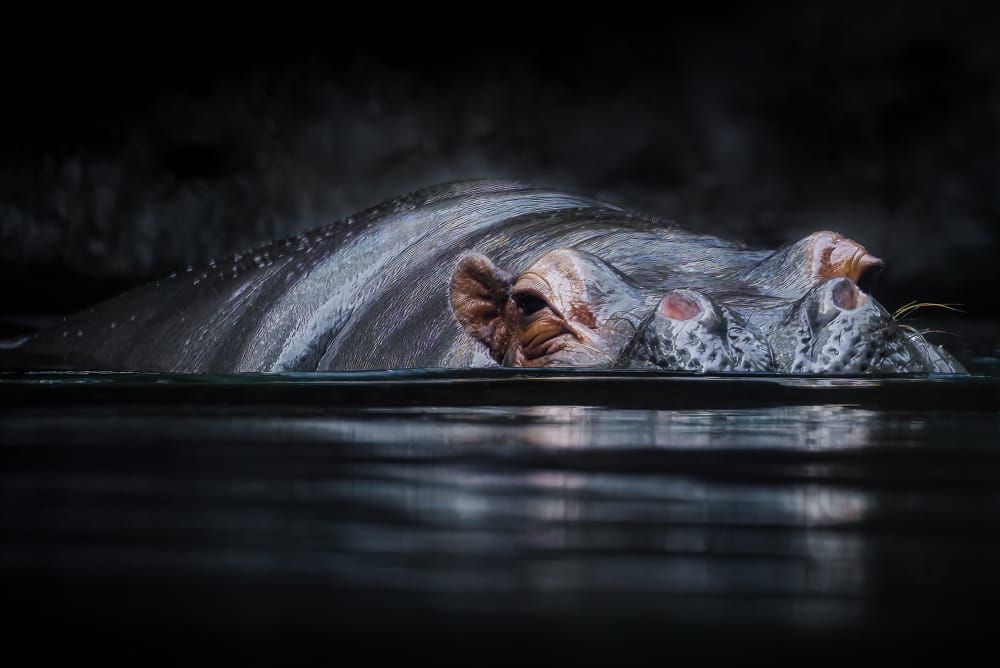
Hippopotamus: Life Beneath the Surface

Hippos do not truly swim; instead, they push off the riverbed in a bounding motion, using buoyancy to move efficiently. They also spend much of the day submerged to regulate their body temperature.

A 2009 study researched how hippos move underwater. By analyzing underwater video footage, the researchers discovered that hippos do not swim like most aquatic mammals. Instead, they push off the riverbed using their legs in a motion similar to galloping or bounding. Their natural buoyancy reduces the effective force of gravity, allowing these massive animals to move in ways that would be inefficient or impossible on land.

Hippos spend much of their daily activity in water, and as temperatures rise, they spend even more time in pools. In 2020, a study examined how hippos use water to regulate their body temperature. The researchers observed three hippos in their zoo enclosures over six months, recording hourly water and air temperatures and correlating these with the animals’ locations and activities. The study found that water temperature influenced pool use far more than changes to the pool size itself. These findings also aligned with broader observations of hippo behavior in previous research.

Please help protect these animals by contributing to the World Wildlife Fund.

Marineland: Help Save The Dolphins

Oct 31 2025

Marineland: Help Save The Dolphins

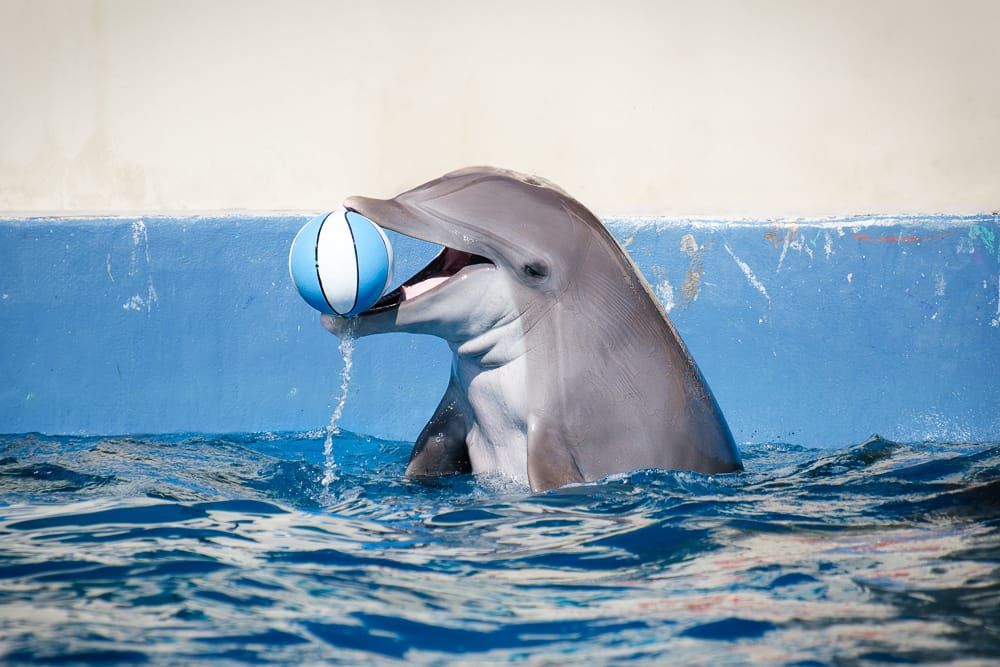
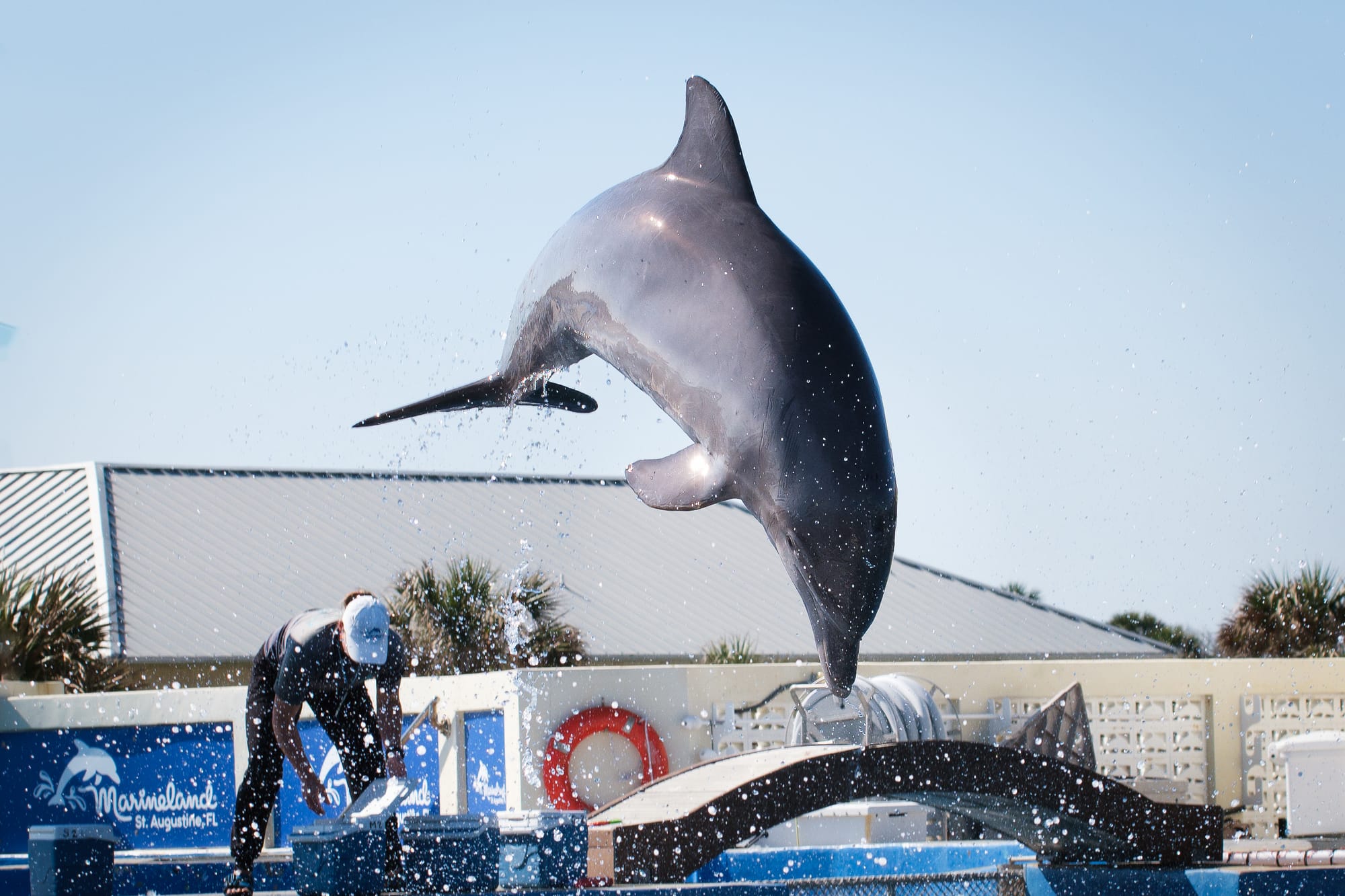
Marineland Dolphin Adventure, once the world’s first oceanarium, is now at a crossroads. Its parent company has filed for bankruptcy, and the facility is being eyed by developers.

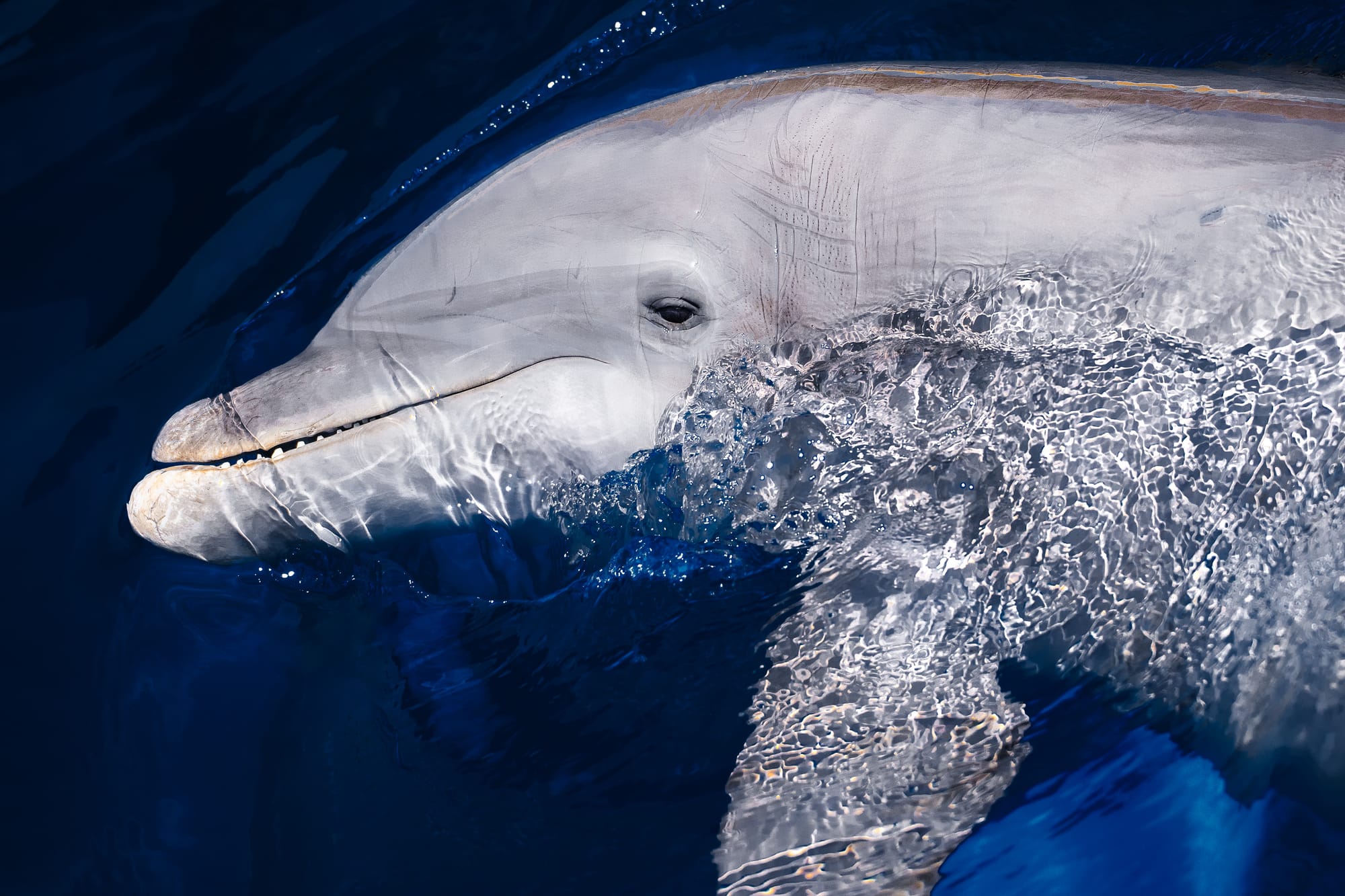
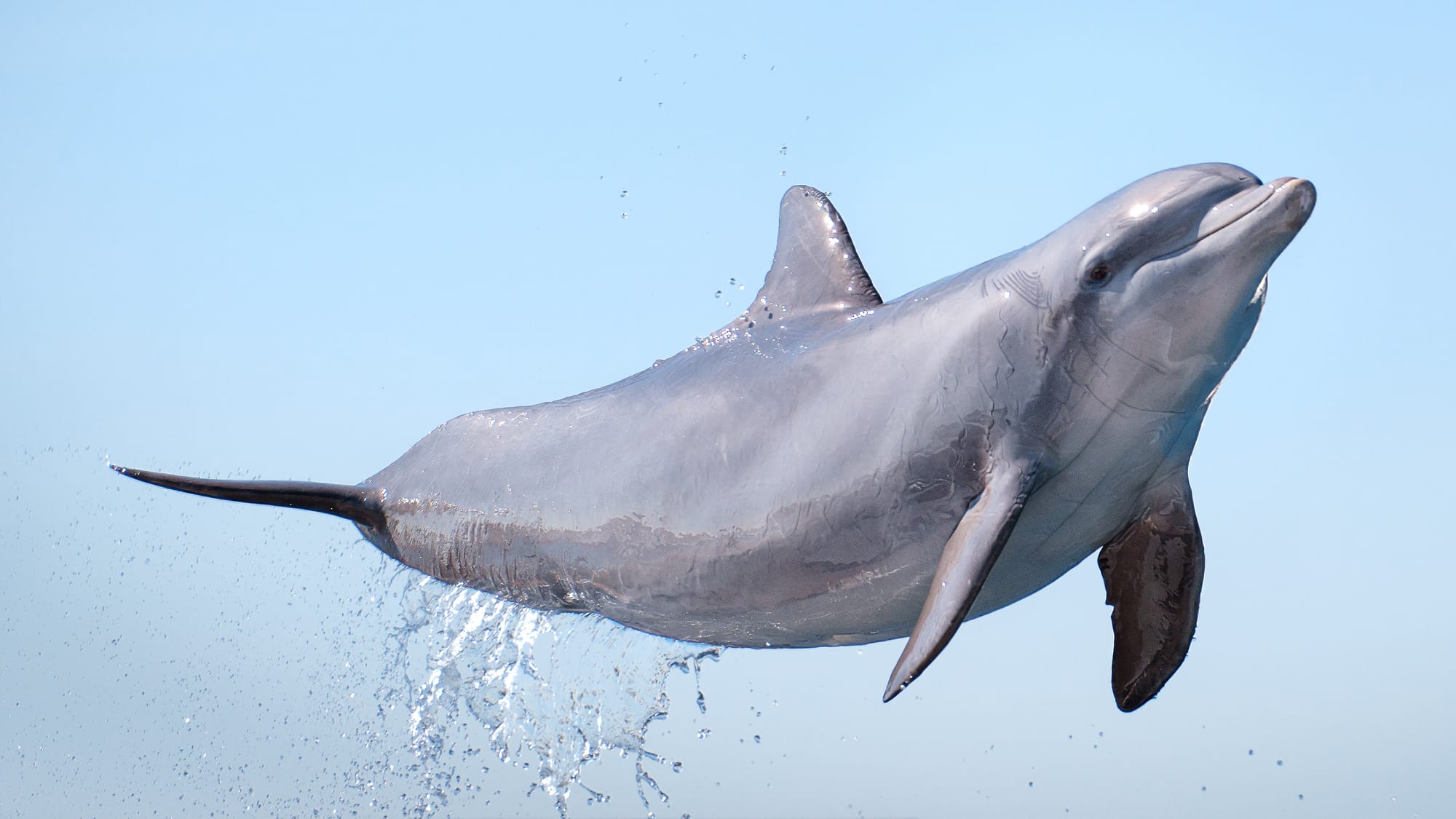
Behind the legal and financial turmoil are seventeen living beings: dolphins who depend on this place for survival.

Marineland was founded as a bridge between us and the ocean. But unfortunately that legacy has eroded over time. Reports and drone footage in the past had shown dolphins confined in small, algae-filled tanks with little shade and limited stimulation. A federal judge even questioned their welfare during recent bankruptcy proceedings.

The welfare of the dolphins, not nostalgia or property value, must define Marineland’s future. Captive dolphins form deep social bonds, communicate in unique dialects, and experience stress and depression when their environment deteriorates. Selling, relocating, or using them for photo opportunities would only harm their well-being.

Marineland once provided connection to wondrous animals and the environment of our oceans. Hopefully it can do so again, but preservation without welfare is exploitation.

To truly save Marineland, we must save the dolphins first;

  • Independent welfare audits to assess living conditions and publish transparent results
  • Immediate water-quality and enrichment improvements to meet marine-mammal care standards
  • External scientific oversight from marine biologists and welfare organizations
  • Transition to a coastal sanctuary model, where possible, allowing more space, natural water, and retirement from public performance
  • Public accountability for any ownership transfer that ensures animal welfare takes precedence over development profits

How You Can Help

Support groups such as TideBreakers and the Save Marineland’s History and Animals GoFundMe campaign are pressing for legal and ethical reform. You can help by donating, sharing verified information, and demanding oversight from Florida’s wildlife agencies and The Dolphin Company’s trustees.

Jaguar: Camo & Curiosity

Nov 08 2024

Jaguar: Camo & Curiosity

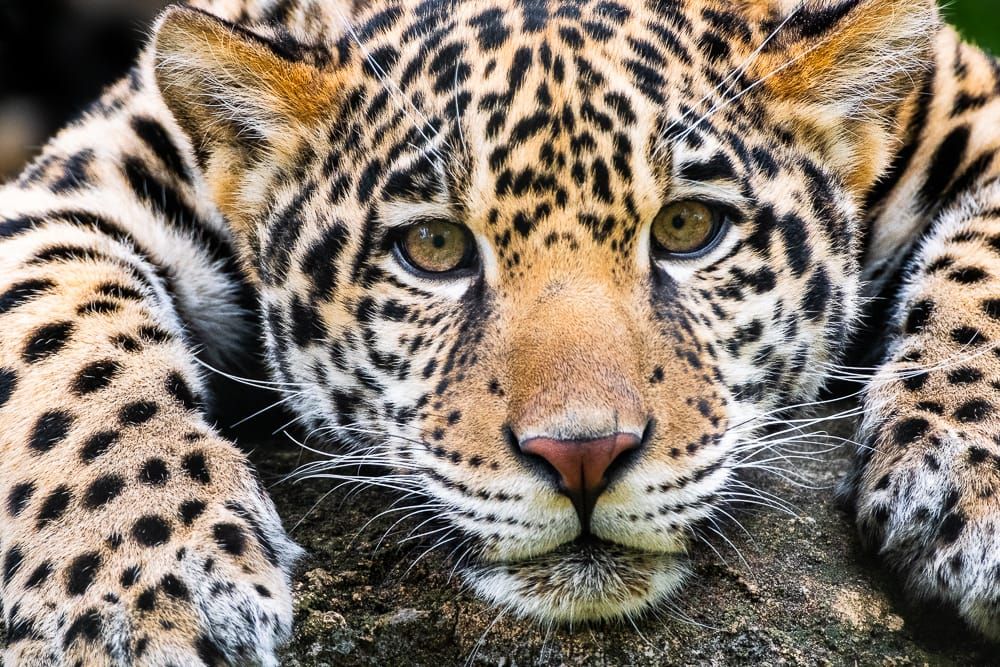
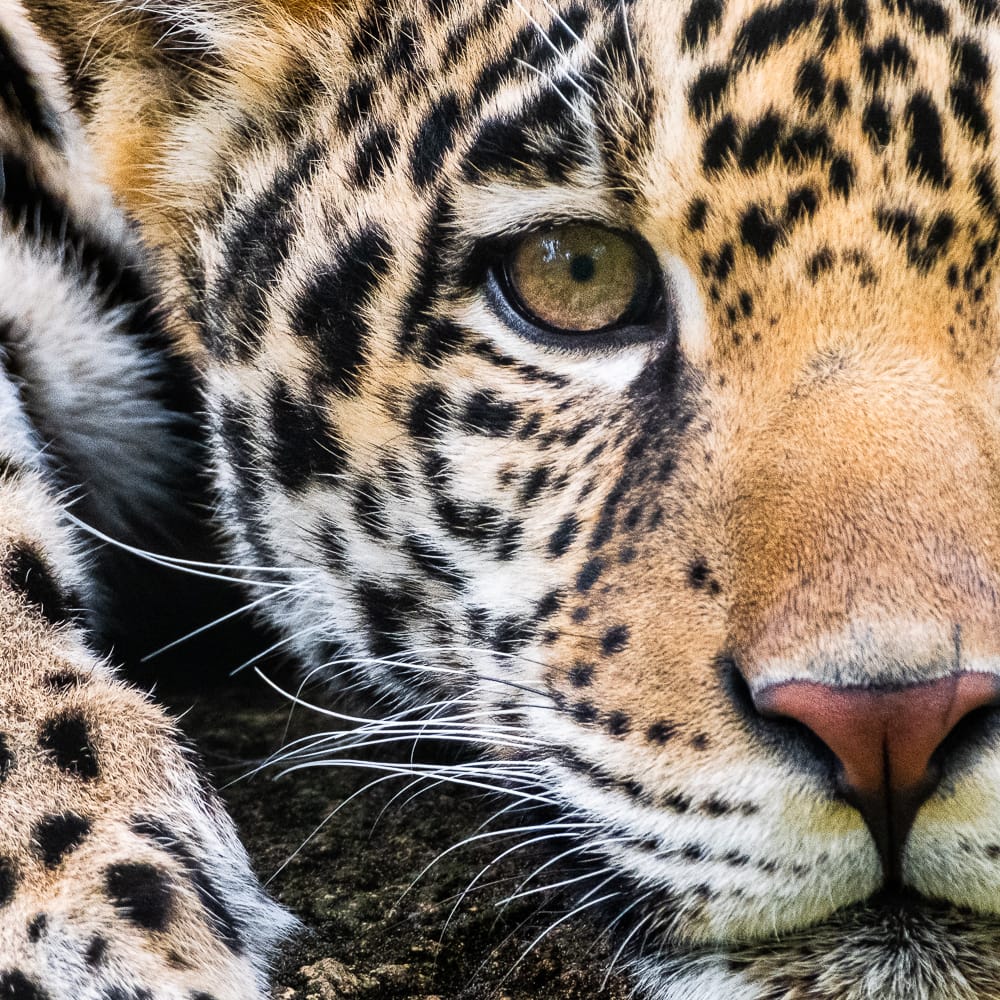
Their survival depends on staying hidden. From their first days, camouflage plays an essential role. The unique spotted pattern of their fur is an adaptation designed for blending into their dense, leafy habitat.

These spots, known as rosettes, mimic the dappled light filtering through the forest canopy, making cubs almost invisible to both prey and potential predators. Jaguar cubs are vulnerable when they are young. They rely on their mother for protection and sustenance, but she must leave them hidden while she hunts for food. During these times, the cubs’ safety depends heavily on their ability to remain unseen. Their rosetted coats allow them to merge seamlessly with their surroundings, reducing the risk of being detected by larger predators or rival jaguars

As the cubs grow, their natural curiosity compels them to explore their environment. This exploration is essential for learning the skills they’ll need to survive as adults, but it also exposes them to potential dangers. The combination of camouflage and stealth is key to helping them navigate this critical stage of life safely. They learn to move silently, practice stalking prey through play, and stay close to cover where their coats can work their magic.

The importance of their camouflage doesn’t fade as they mature. Adult jaguars rely on this trait for hunting success, using it to ambush prey with near-perfect surprise. For the cubs, mastering the art of staying hidden is one of the first lessons nature teaches them.

Checkout the World Wildlife Fund (WWF) or Panthera to help protect these amazing cats.

View Recent Posts

Explore More