S
Recent Latest #Animal
Peahen: Eyes for Genes

Nov 08 2024

Peahen: Eyes for Genes

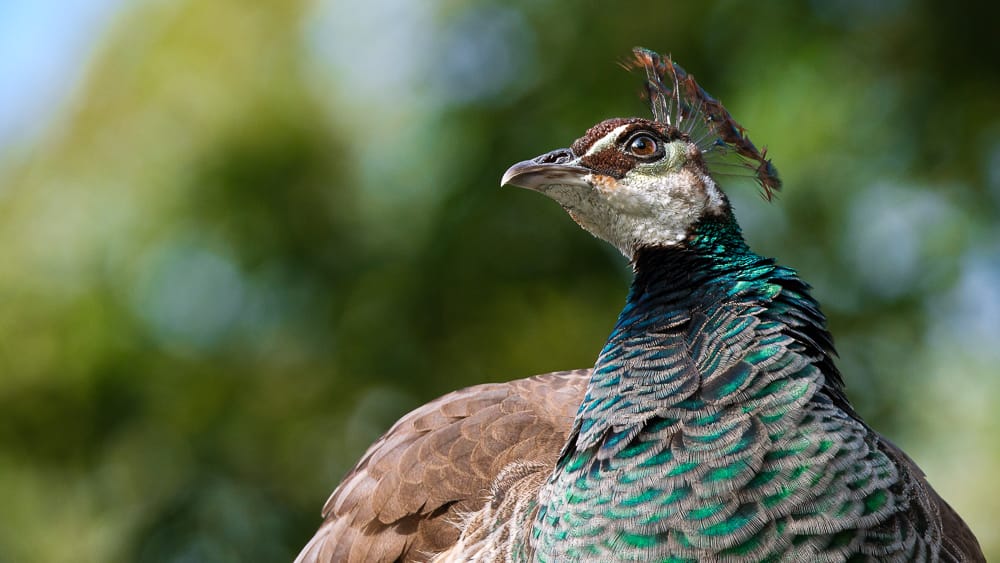
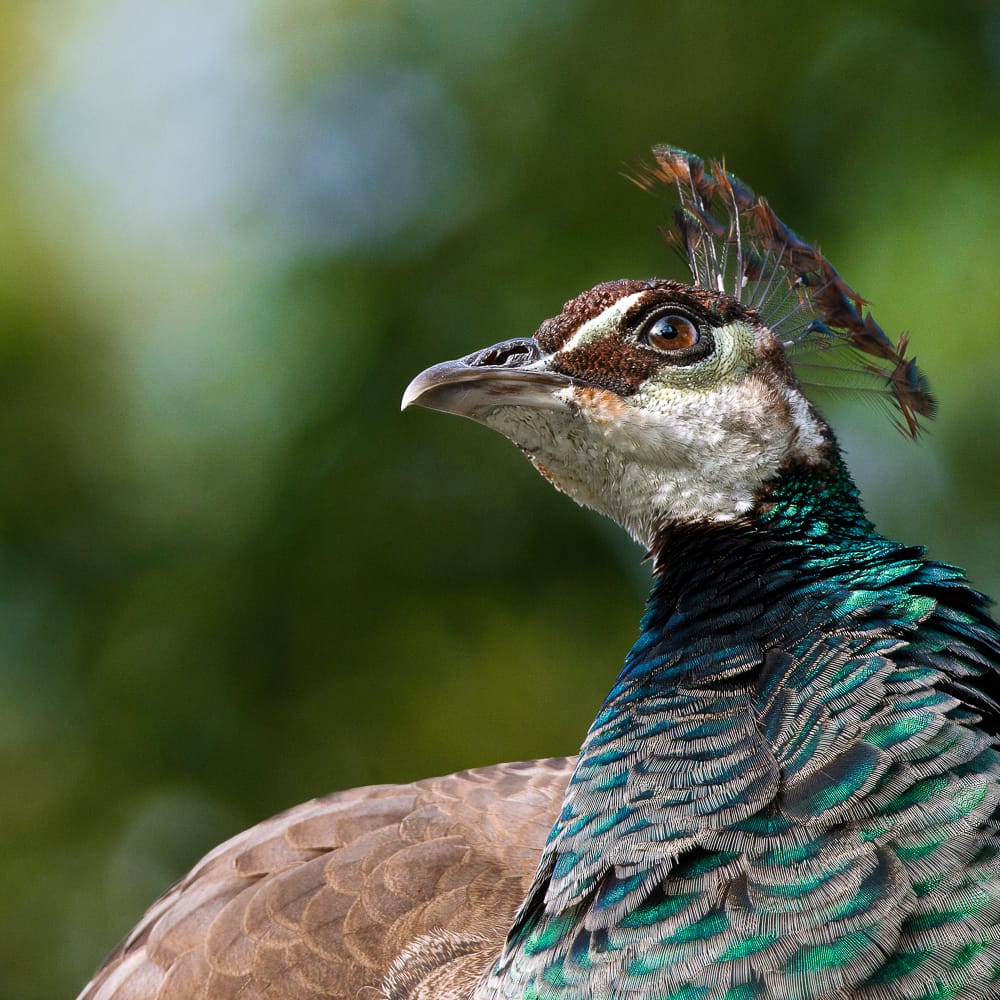
They can discern subtle differences in color, symmetry, and movement within a peacock’s tail feathers, helping them to select mates with the most vibrant and symmetrical displays, indicators of genetic fitness and health.

This selective process ensures the production of strong, viable offspring. Research indicates that peahens are sensitive to both visible and ultraviolet (UV) light, which is invisible to humans. The "eyespot" patterns on a peacock’s tail reflect UV light, providing additional information during mate evaluation. More reflective and symmetrical eyespots are more attractive to peahens.
A study found that peahens prefer males that perform vigorous tail-shaking displays, which enhance the perceived brilliance of their eyespots.

These behaviors serve as honest signals of a male’s fitness, as maintaining such displays requires significant energy and good health. The peahen’s visual perception ensures that only the fittest males pass on their genes, contributing to the health and diversity of future generations.

Beyond mating, peahens' sharp eyesight aids in spotting predators and navigating their environment. Their muted plumage helps them blend in, protecting themselves and their young.

Checkout World Wildlife Fund (WWF) and BirdLife International to help protect these amazing birds.
Clark’s Anemonefish: Sting Shield

Feb 10 2026

Clark’s Anemonefish: Sting Shield

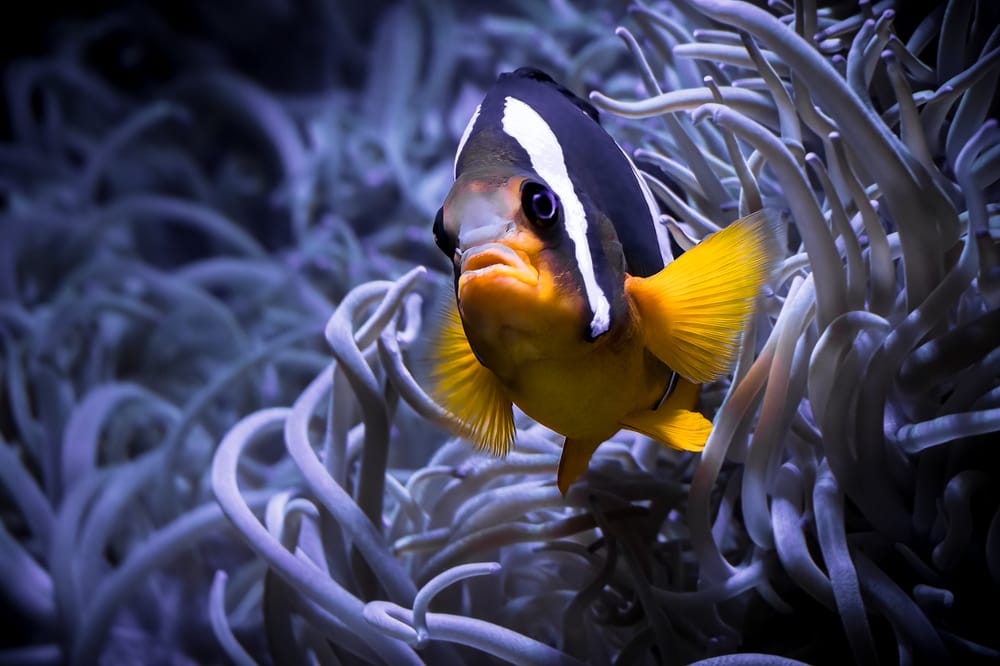
Clark’s anemonefish can live safely among the stinging tentacles of sea anemones thanks to a specialized mucus coating that prevents the anemone’s venom from activating.

This protection allows the fish to shelter from predators that would otherwise easily eat it.

In return, the anemone benefits from increased water circulation and nitrogen and carbon based nutrients from the fish’s waste, such as ammonia which fuels tissue growth, phosphates for cellular processes, and food scraps that provide additional nutrients that it couldn’t acquire on its own.

Unlike most clownfish that rely on only one or two host species, Clark’s anemonefish is highly adaptable and can live with 10 anemone species.

Featured Hippopotamus: Life Beneath the Surface

Jan 24 2026

Hippopotamus: Life Beneath the Surface

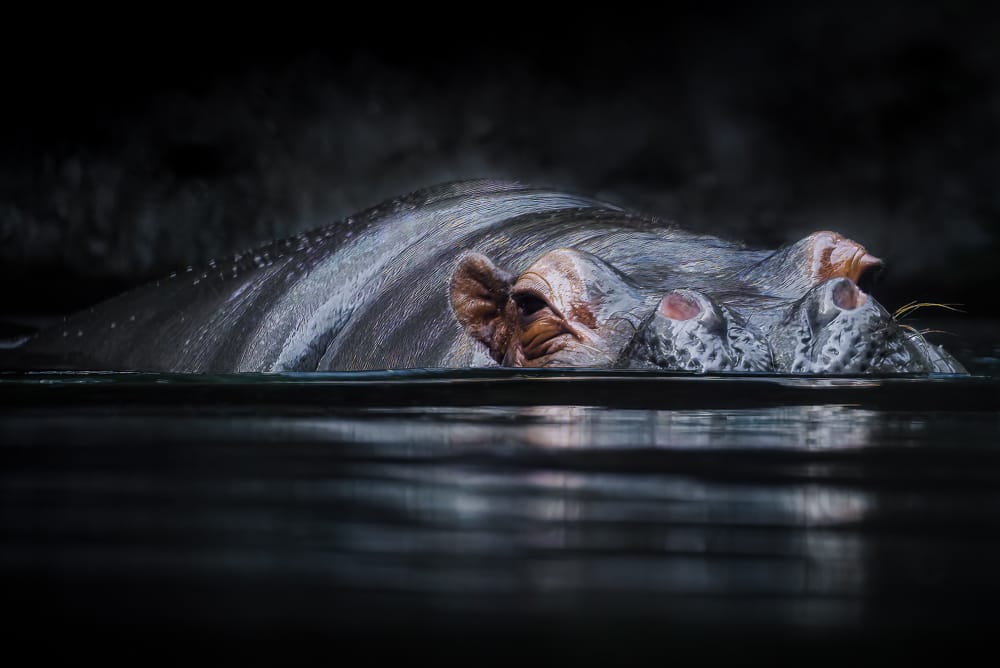
Hippos do not truly swim; instead, they push off the riverbed in a bounding motion, using buoyancy to move efficiently. They also spend much of the day submerged to regulate their body temperature.

A 2009 study researched how hippos move underwater. By analyzing underwater video footage, the researchers discovered that hippos do not swim like most aquatic mammals. Instead, they push off the riverbed using their legs in a motion similar to galloping or bounding. Their natural buoyancy reduces the effective force of gravity, allowing these massive animals to move in ways that would be inefficient or impossible on land.

Hippos spend much of their daily activity in water, and as temperatures rise, they spend even more time in pools. In 2020, a study examined how hippos use water to regulate their body temperature. The researchers observed three hippos in their zoo enclosures over six months, recording hourly water and air temperatures and correlating these with the animals’ locations and activities. The study found that water temperature influenced pool use far more than changes to the pool size itself. These findings also aligned with broader observations of hippo behavior in previous research.

Please help protect these animals by contributing to the World Wildlife Fund.

Marineland: Help Save The Dolphins

Oct 31 2025

Marineland: Help Save The Dolphins

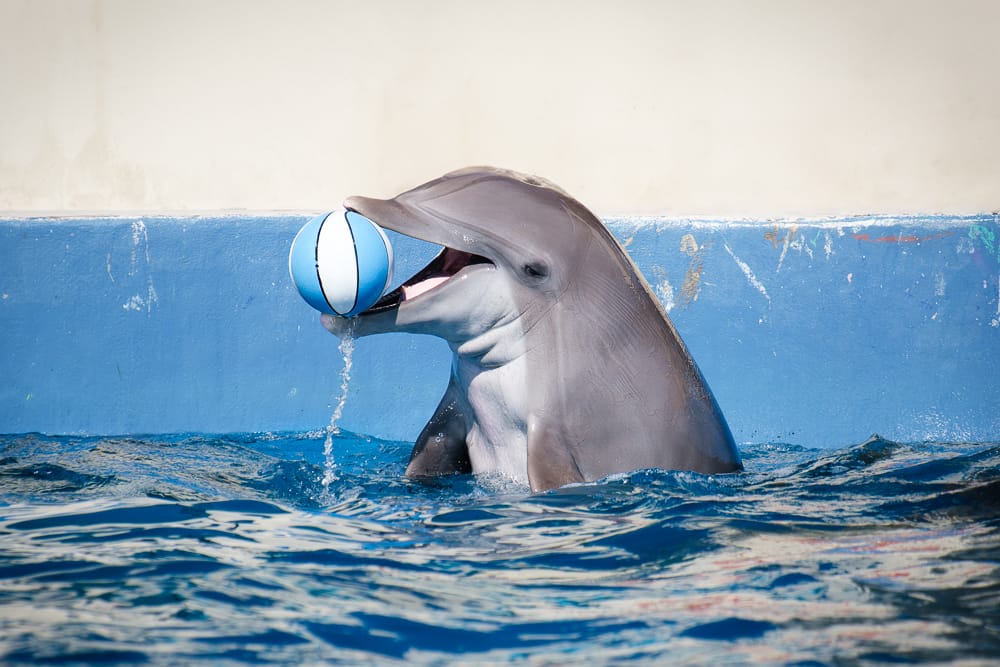
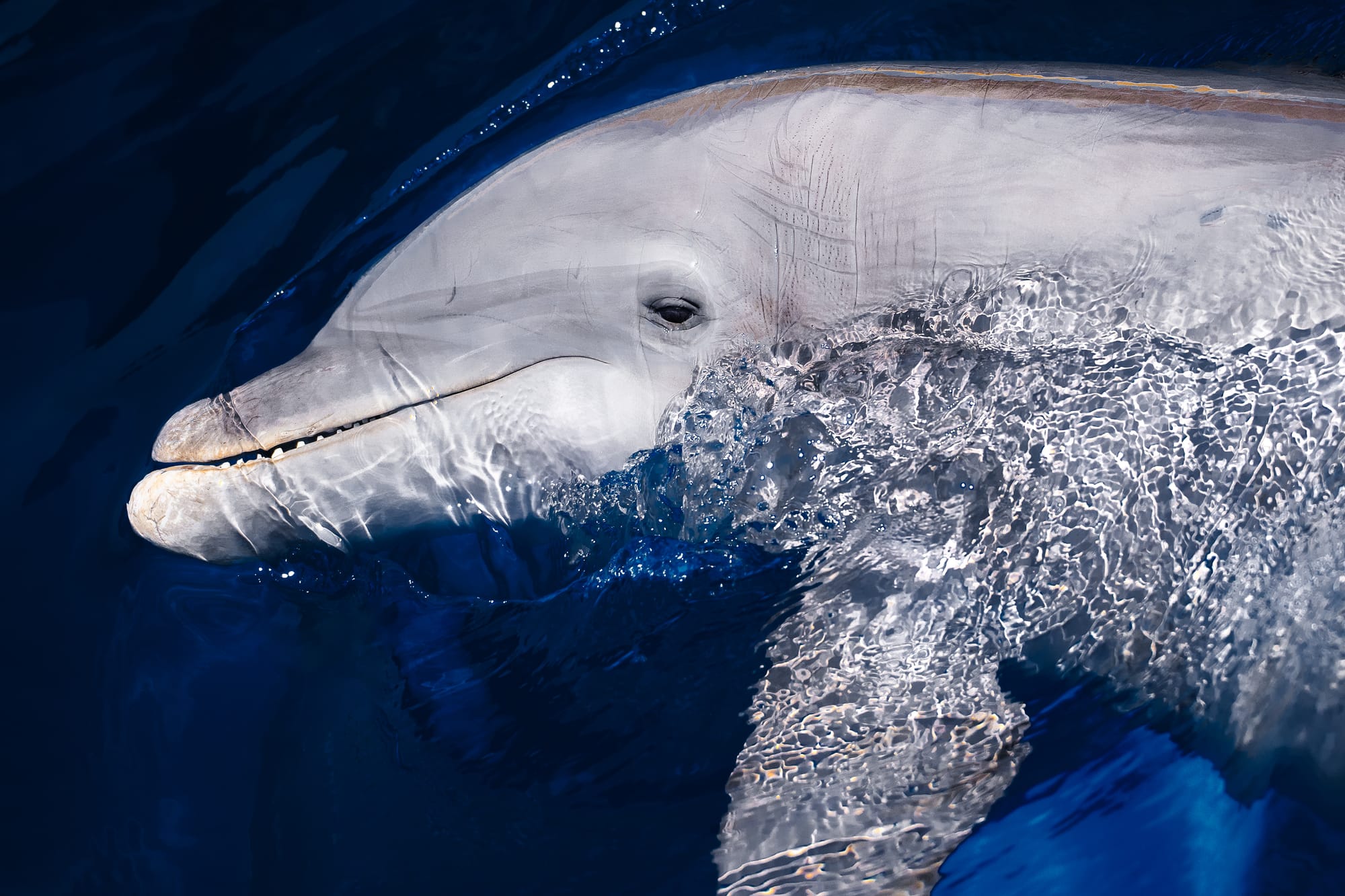
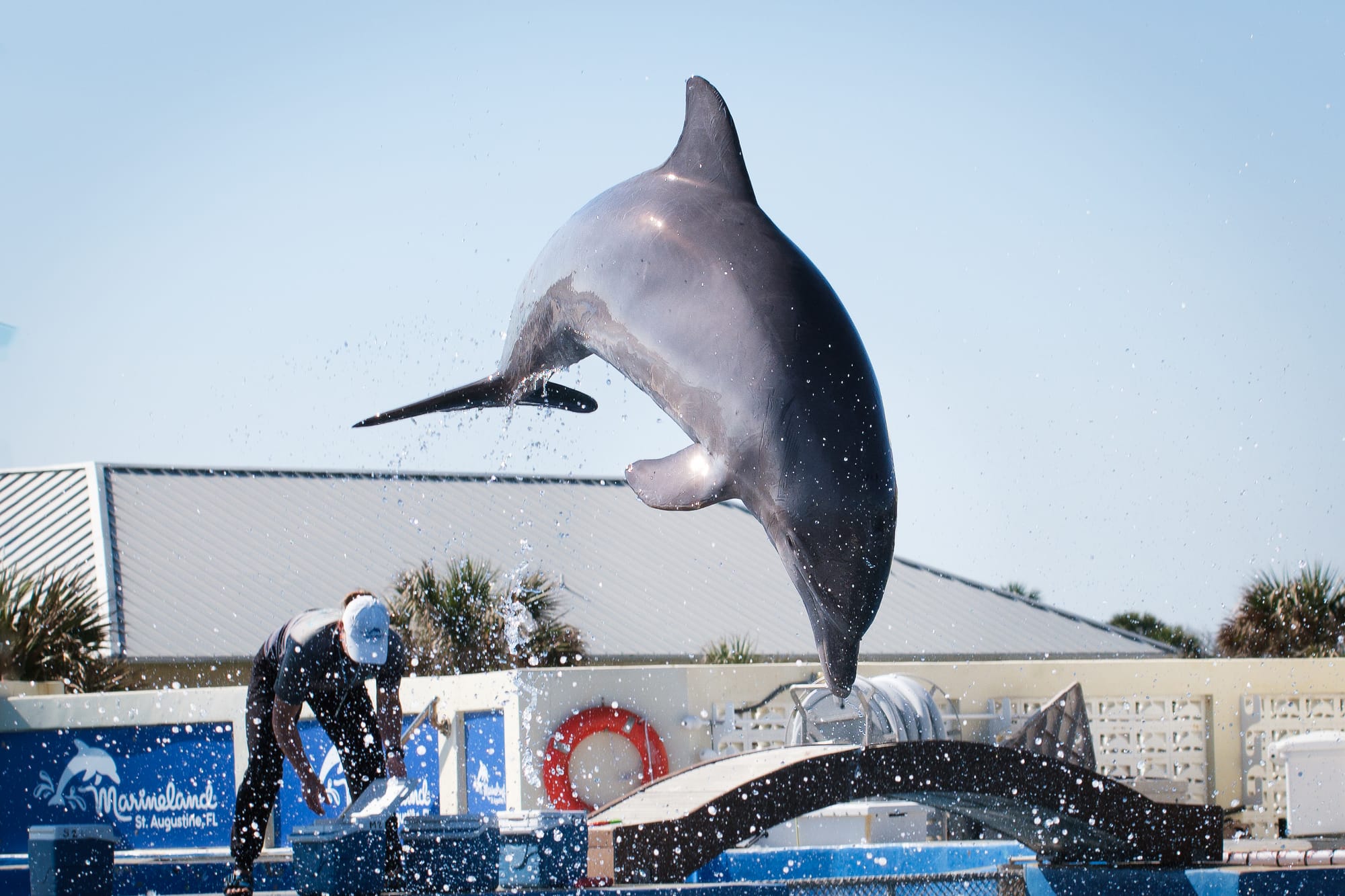
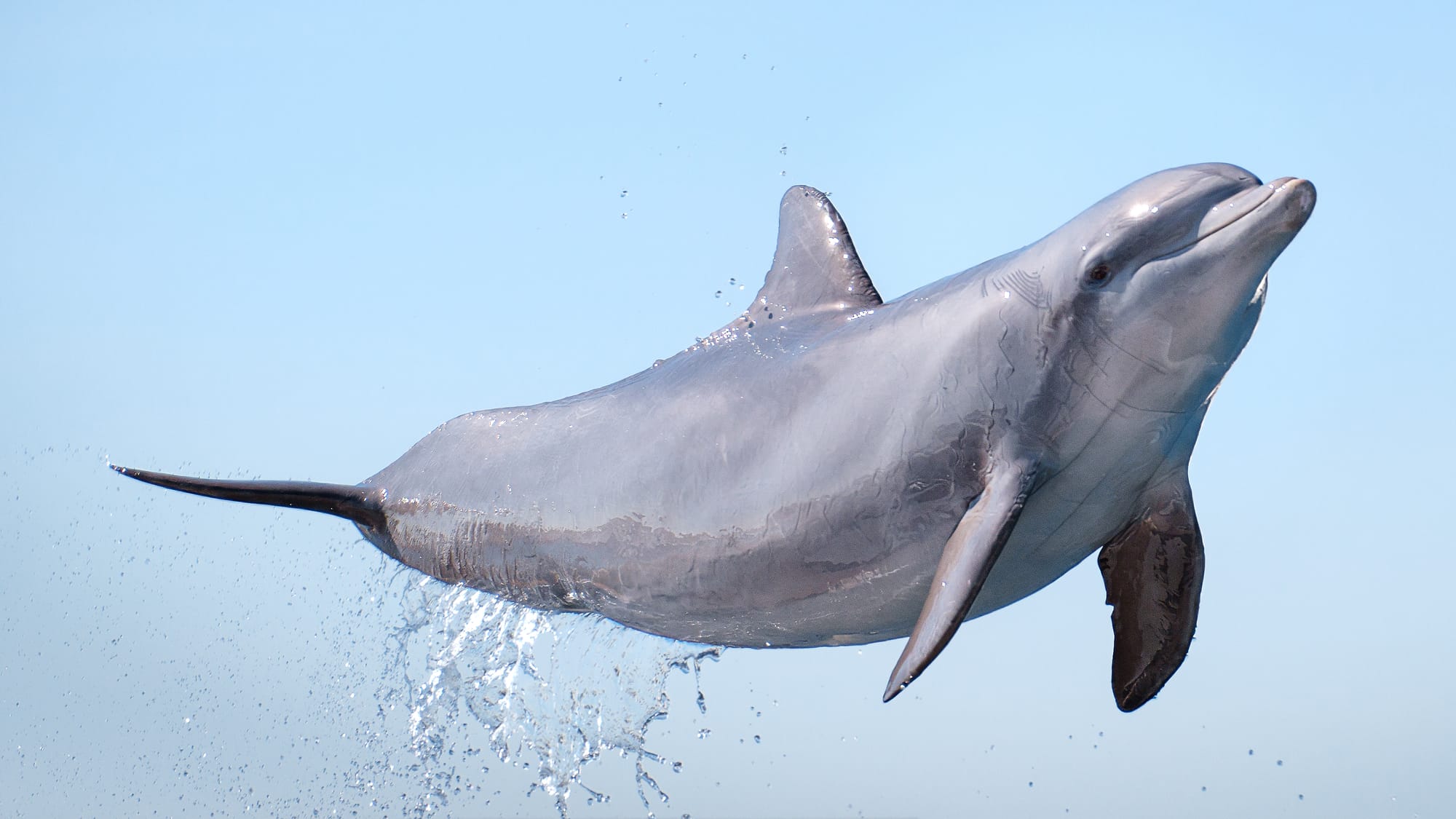
Marineland Dolphin Adventure, once the world’s first oceanarium, is now at a crossroads. Its parent company has filed for bankruptcy, and the facility is being eyed by developers.

Behind the legal and financial turmoil are seventeen living beings: dolphins who depend on this place for survival.

Marineland was founded as a bridge between us and the ocean. But unfortunately that legacy has eroded over time. Reports and drone footage in the past had shown dolphins confined in small, algae-filled tanks with little shade and limited stimulation. A federal judge even questioned their welfare during recent bankruptcy proceedings.

The welfare of the dolphins, not nostalgia or property value, must define Marineland’s future. Captive dolphins form deep social bonds, communicate in unique dialects, and experience stress and depression when their environment deteriorates. Selling, relocating, or using them for photo opportunities would only harm their well-being.

Marineland once provided connection to wondrous animals and the environment of our oceans. Hopefully it can do so again, but preservation without welfare is exploitation.

To truly save Marineland, we must save the dolphins first;

  • Independent welfare audits to assess living conditions and publish transparent results
  • Immediate water-quality and enrichment improvements to meet marine-mammal care standards
  • External scientific oversight from marine biologists and welfare organizations
  • Transition to a coastal sanctuary model, where possible, allowing more space, natural water, and retirement from public performance
  • Public accountability for any ownership transfer that ensures animal welfare takes precedence over development profits

How You Can Help

Support groups such as TideBreakers and the Save Marineland’s History and Animals GoFundMe campaign are pressing for legal and ethical reform. You can help by donating, sharing verified information, and demanding oversight from Florida’s wildlife agencies and The Dolphin Company’s trustees.

Yellow-bellied Slider: Carnivore to Herbivore

Aug 12 2025

Yellow-bellied Slider: Carnivore to Herbivore

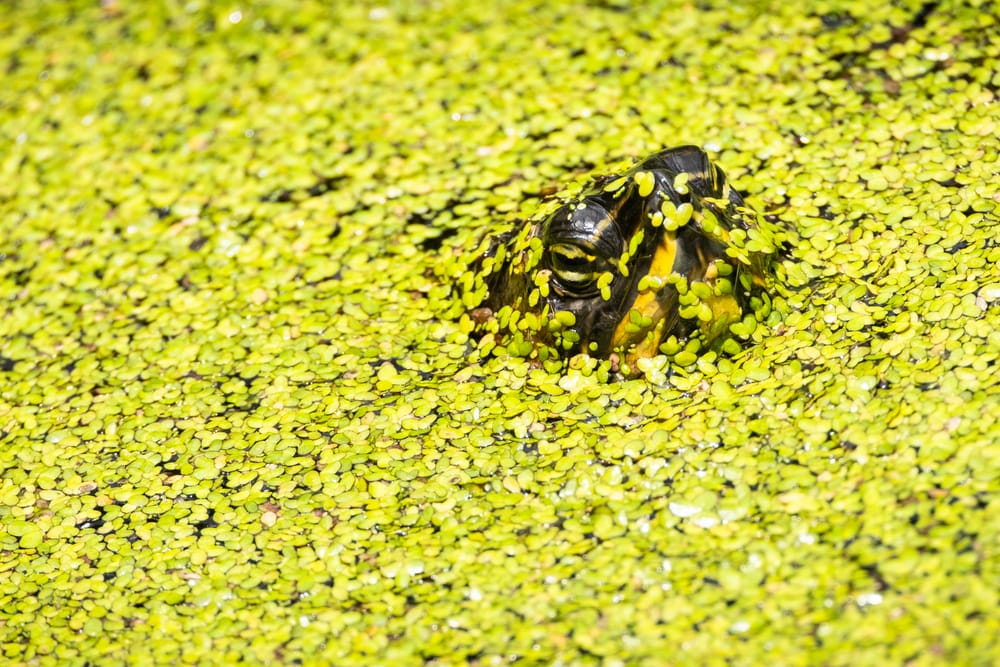
Yellow-bellied sliders shift from mostly animal prey as hatchlings and juveniles to mostly plant material as adults. Adults still eat some animal matter and juveniles will graze plants when prey is scarce.

What They Eat

Juveniles eat chiefly insects, small crustaceans, tadpoles, and small fish. With age they become omnivores that favor plants such as duckweed and submerged vegetation.

Field studies report wide site to site ranges in plant versus animal intake, but the overall trend is juvenile-leaning carnivory to adult-leaning herbivory.

Why it Changes

Early growth is faster on animal diets that are protein and energy dense, which supports rapid size gains that reduce predation risk.

Plant foods require microbial fermentation to extract energy, which takes longer and can limit intake rate in small turtles. As body size and gut volume increase, fermentation becomes more effective and adults can meet their needs with vegetation while still taking opportunistic animal prey.

Diet varies with local prey and plants, water temperature, season, and sometimes by sex. In some areas adults eat mostly plants; elsewhere adults still eat many animals. Across studies, the clear trend is that juveniles eat more animals and adults eat more plants.

Please checkout and support the Turtle Survival Alliance to support this species.

Turkeys: Give Them Better Lives

Jun 12 2025

Turkeys: Give Them Better Lives

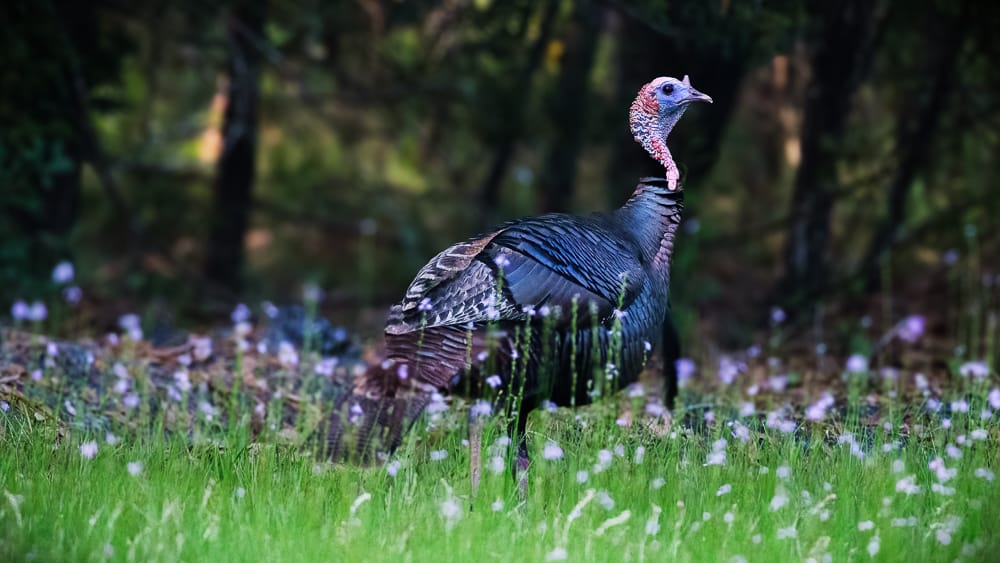
Most turkeys in the U.S. are raised in overcrowded barns, suffer leg and bone issues from selective breeding, face 7–10% mortality, and endure long transport without food or water before inhumane slaughter.

Sponsored by Gimme Sourdough, made-to-order breads and bagels in Wheatridge, CO

What You Can Do

77% of Americans care about farm animal welfare, and 67% say they would pay more for products that meet humane standards. Sharing statistics about mortality rates and overcrowding can further raise awareness and pressure producers to improve practices.

Labels like Certified Humane® and RSPCA-assured Are recognized as highly meaningful by organizations like Consumer Reports and represent real change, even if still limited in availability.

The Certified Humane® label, managed by Humane Farm Animal Care, ensures turkeys are raised under strict welfare guidelines: unrestricted access to nutritious food and fresh water, protection from harsh weather, enough space to flap wings, roost, and perform natural behaviors, and a proper lighting cycle to reflect day and night rhythms.

Audits are conducted by independent experts to enforce these standards on farms in North America and beyond. Only a handful of U.S. producers, such as White Oak Pastures, Ayrshire Farm, and Koch’s Turkey, meet the whole-bird requirements for Certified Humane® turkeys.

RSPCA’s welfare criteria, based on the "Five Freedoms," set best-in-class benchmarks across all life stages, from poults to transport to slaughter. These include requirements for stocking density, bedding, lighting, ventilation, and humane handling. While their label is more common in the U.K. and Australia, its principles inform humane-certification programs worldwide.

Consumers have the power to shift demand and influence supply chains by choosing turkey that meets humane certification standards. You can further support turkey welfare by reducing how much you consume or opting for plant-based alternatives. Even small changes in your purchasing habits can help move the industry away from factory-farmed conditions and toward more ethical, transparent systems.

Learn more from my sources at Certified Humane®RSPCA Welfare StandardsAnimal Welfare InstituteVox, and the Humane Society of the U.S.

View Recent Posts

Explore More