Mar 11 2026
River Otter: Dry Despite Diving
The river otter has no blubber, or fat layer. Its survival depends entirely on one of the most remarkable coats in the animal kingdom..
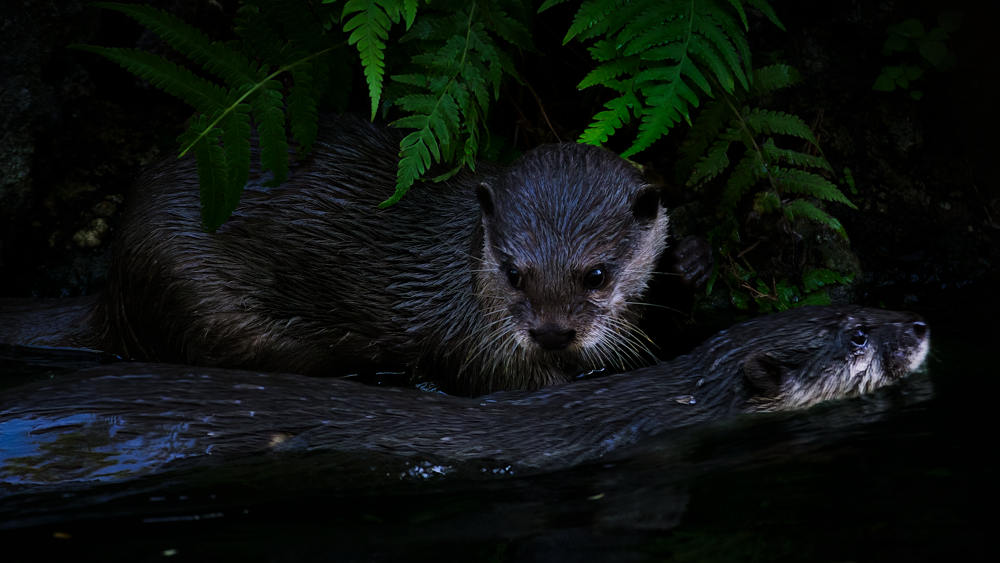
River otters have some of the densest fur of any freshwater mammal, with two distinct layers: a short, thick underfur that traps warm air against the skin, and longer guard hairs that shed water on the surface. The underfur is so tightly woven that water cannot penetrate it. The otter's skin stays completely dry even while the animal dives.
Each follicle produces a bundle of fine underfur hairs topped by coarser guard hairs. The underfur is so tightly woven that water cannot penetrate it. The otter's skin stays completely dry even while the animal dives.
Water only touches a thin layer of trapped air within the coat, and that air is what keeps them warm. Air escapes during a dive, so otters must constantly groom, rolling and rubbing to work air back into their fur. A sea otter can spend several hours a day on this. Neglect it and the coat loses its loft, the insulating air escapes, and the cold moves in.
Without a blubber reserve, otters must generate body heat through metabolism alone, burning through roughly 25 percent of their body weight in food each day. Pups are born with such fluffy natal coats that they literally cannot sink, bobbing on the surface while their mothers dive below to forage for food, such as sea urchins, mollusks, crustaceans, and fish, which they find on the sea floor.
Please consider helping to protect these animals by contributing to the River Otter Ecology Project.