Dec 05 2025
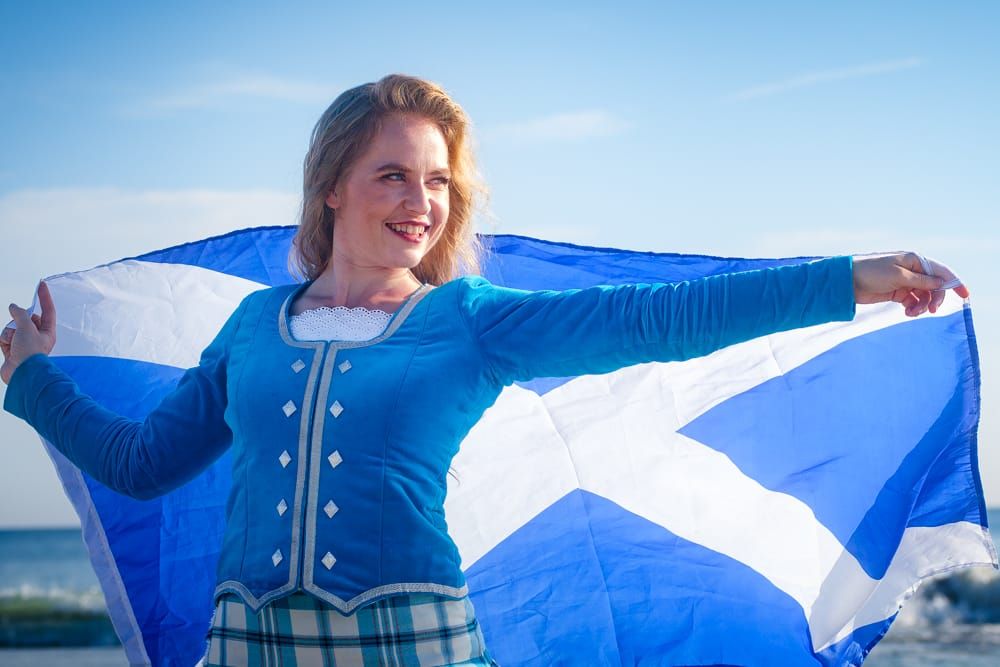
Kasey Hawkins: Highland Dancer & Instructor
At a talent show in Cranbrook, a city nestled in a valley on the western edge of the Rocky Mountain Trench in Canada, nine-year-old Kasey, already familiar with several dance styles, watched her friend perform a Scottish Highland dance..
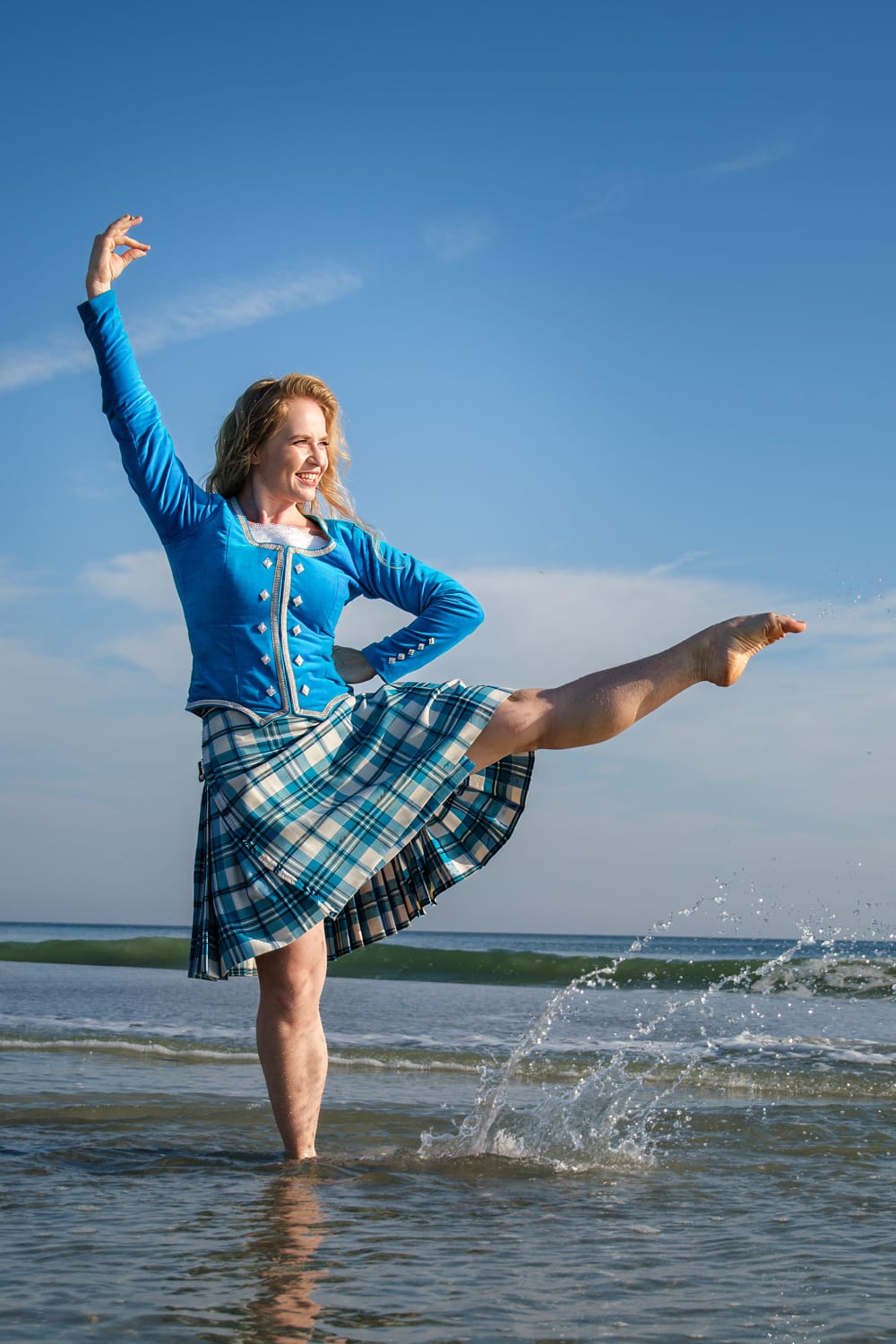
In traditional Highland dress, her friend danced with an almost weightless grace, rising onto the balls of her feet and tracing clean, deliberate steps around the two practice basket-hilt broadswords crossed on the floor. Witnessing this ignited the first spark of a passion that would burn brightly in her for 20 years and counting.
I love how Highland dance combines the athleticism and power of the Scottish people.. with the grace and fluidity that comes from the influence of our Irish and French cousins (Riverdance and Ballet).
After moving to Idaho in 2014, where she taught until she relocated to Florida in 2020, Kasey and her younger siblings consistently secured top-three placements in regional and national championships. At just 18 years old, she opened her own studio, which has been the focus of her life ever since.
Over the last decade I have had the joy and honor of teaching so many amazing young people, helping them gain confidence in themselves and connect with their Scottish roots.
Highland dances are hundreds of years old, passed down through generations of Highlanders. Historically, dancers performed around swords before battle as a test of agility, courage, and readiness. After battle, similar dances were used in victory celebrations. Seasonal festivals and older Celtic Gaelic traditions also incorporated Highland dance at their core.
During the British military occupation of the Highlands, after the Jacobite rising of 1745, the government imposed the Act of Proscription (1746), through which Gaelic culture was stigmatized and suppressed. Highland dress, including kilts and tartan, was banned. Clans were broken up, and pipers, dance masters, and other tradition bearers lost their roles as their patronage systems collapsed.
However, by the late 18th and early 19th centuries, a cultural revival began to take shape. Sir Walter Scott a Scottish novelist, poet and historian, helped popularize a romanticized vision of the Highlands. Highland regiments in the British Army wore tartan and preserved martial dance elements, and Victorian society embraced what they saw as a picturesque Scotland.
This renewed fascination led to the formal codification of Highland dance, preserving the traditions and carrying them forward even as they evolved into forms designed for performance and competition rather than their original clan-based rituals.
Through teaching the dances to the next generation, we help keep the Celtic culture alive for many years to come.
Checkout the Hawkins School of Highland Dance's website for more.